Donate to our Area of Greatest Need

Your tax-deductible donation strengthens our ability to advance environmental justice through research, education, community partnerships, and policy advocacy across the nation.

Your Impact, Your Choice

Select a program below to make your donation where it matters most to you.

Started in 1995 when the Center did, our longest serving program has prepared hundreds of youth and young adults for great-paying and rewarding environmetnal careers.

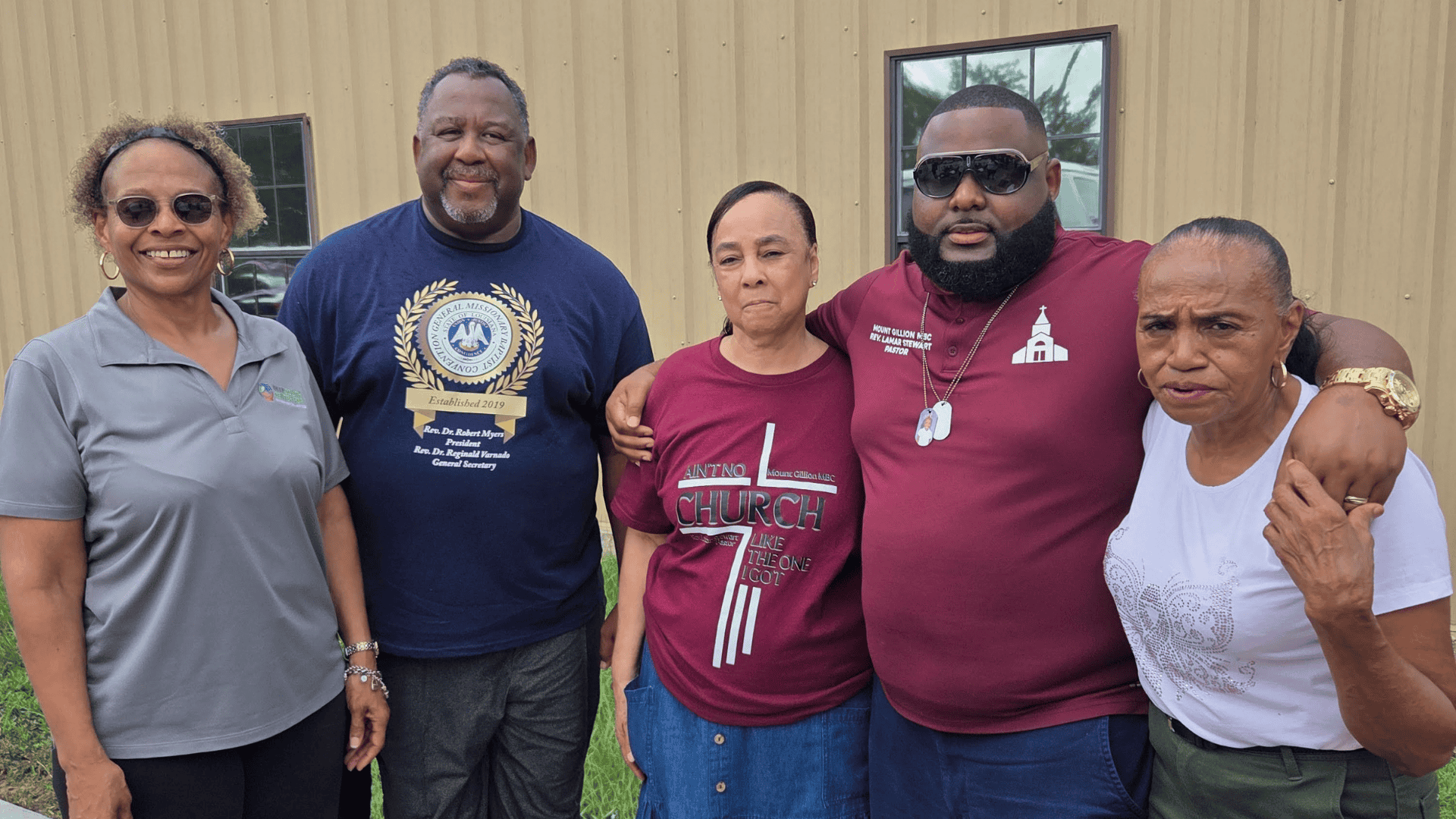
Help us continue the legacy of equipping community members to respond to environmental harm and natural disaster in their own neighborhoods.

DSCEJ serves as a convener and capacity builder for hundreds of community-based organizations annually. It is our mission to get resources and data directly to people living with both the negative impacts of disproportionate environmental harm and and the lived experience to drive solutions.

Help Communities Fight

DSCEJ trains community members, grassroots organizations, local governments, and volunteers to respond safely when disaster strikes. Through our work with the NIEHS Worker Training Program, we put practical health and safety skills directly into the hands of the neighbors who are first on the scene.


Help Train Communities

Support the NBEJN Movement

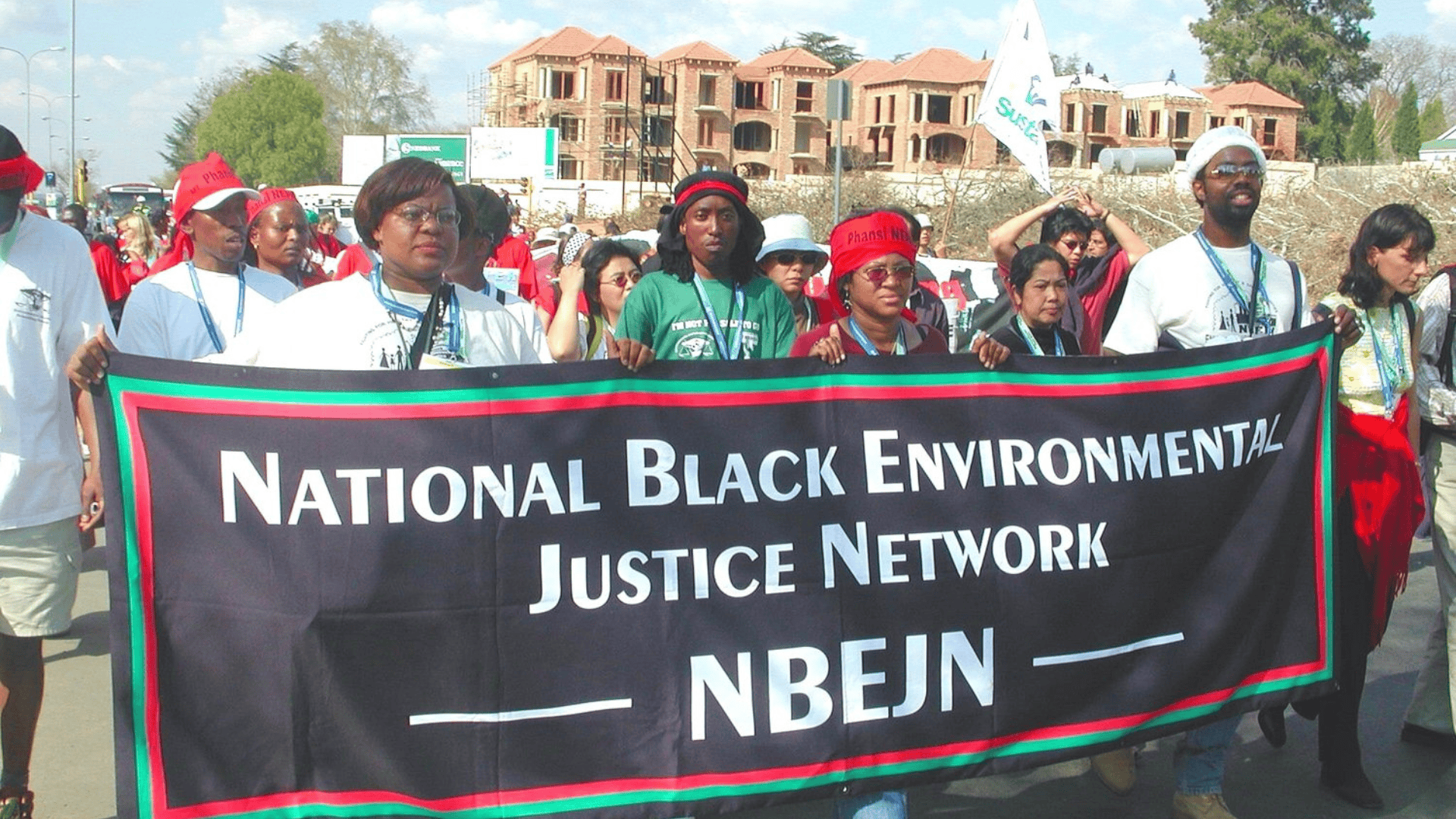
Co-founded by DSCEJ, the National Black Environmental Justice Network (NBEJN), is a national coalition of organizations and activists of African descent. With 30+ member organizations across seven regional hubs, NBEJN has grown since its 2021 relaunch, building grassroots power for climate and environmental justice.


Help Families Cope

Navigate NOLA is DSCEJ's social and emotional wellness division, offering programs for children and adults. Its social workers provide direct support and train fellow social workers across the city, building cohorts of change agents who shift policy, culture, and practice in their own schools.


NAVIGATE NOLA

HELP FAMILIES COPE

Support the Next Generation

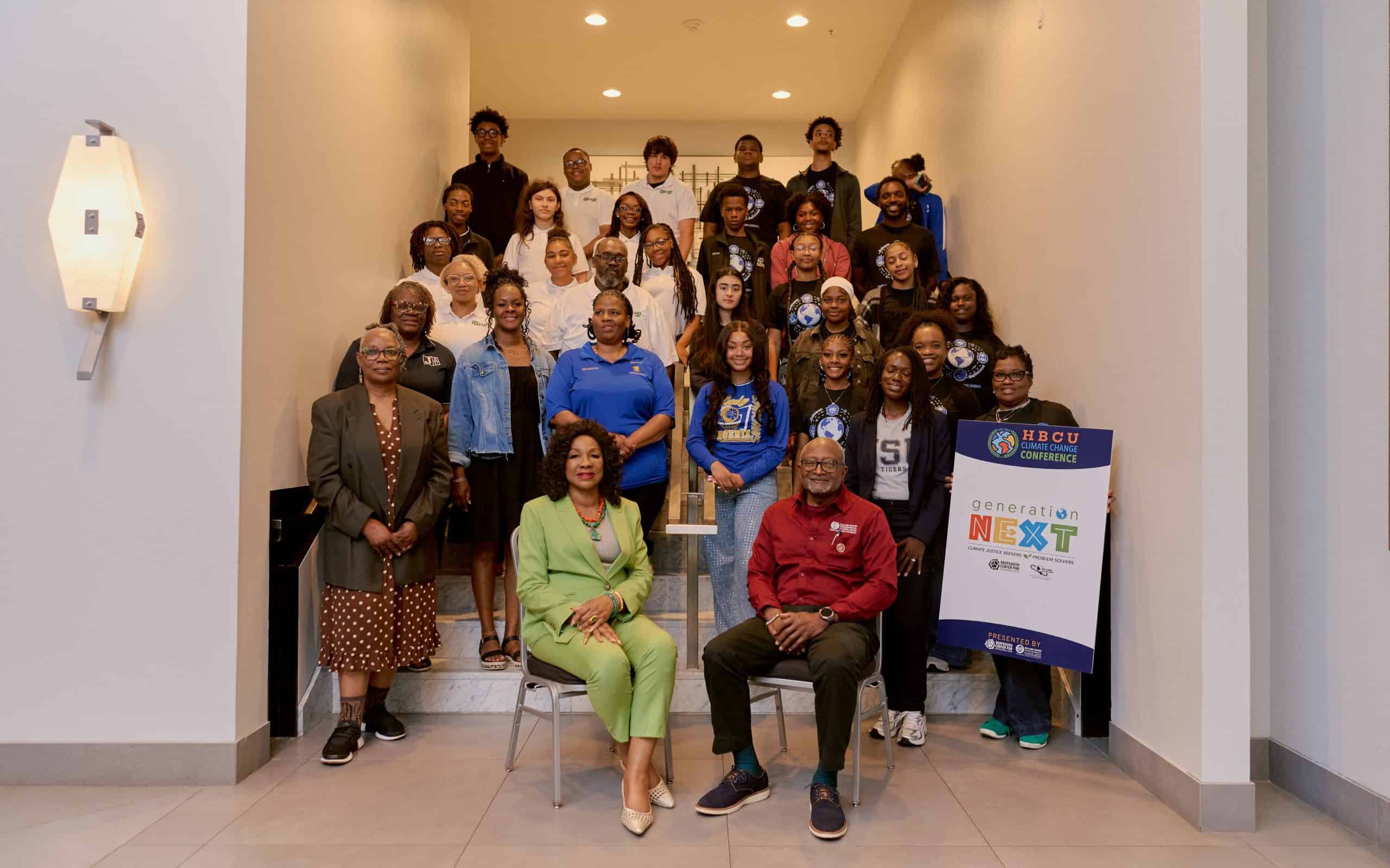
DSCEJ brings students into the work through educational seminars, internships, scholarships, and research opportunities that open doors to environmental careers. Each year, the HBCU Climate Change Conference gathers more than 300 students from over 30 HBCUs to present research and learn from leading experts.